Norwegian Polar Institute
Performs Norway’s host role and is the point of contact for research. NPI is responsible for coordination on site and chairs the weekly meeting of the institutions.
npolar.no

Ny-Ålesund Research Station lies at 79°N in north-western Spitsbergen. It is one of the world’s northernmost year-round research communities, and a key place for climate research and environmental monitoring in the high Arctic.
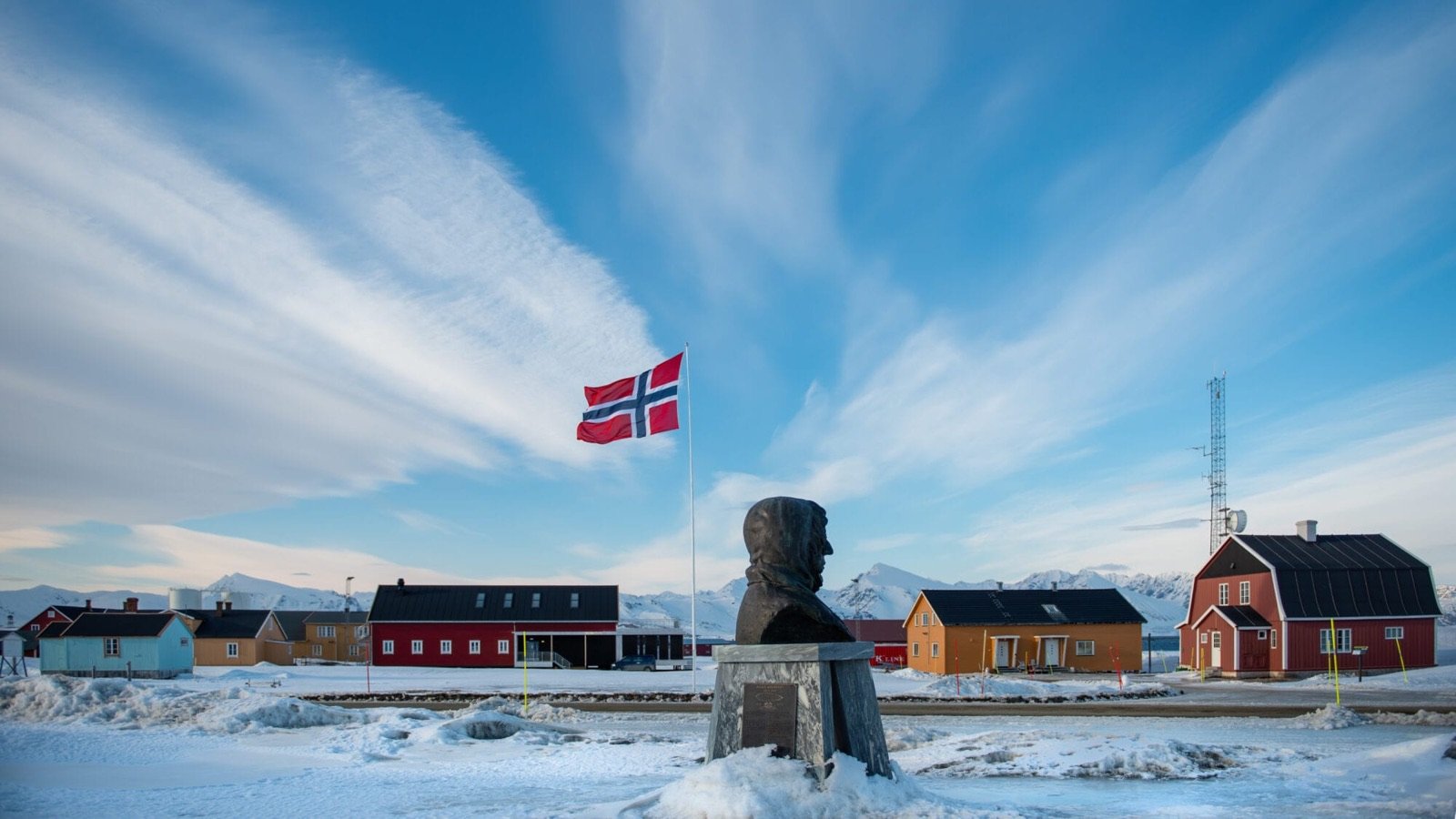
While remote, the station is easy to reach and has extensive research infrastructure. Norway has facilitated international polar research here for more than 60 years.
Svalbard research is highly international. In Ny-Ålesund, more than 20 institutions run long-term research and monitoring, and the mix of nations on site opens up collaboration. To bring institutions and disciplines closer, the community has set up four flagship programmes that cover most of the work here.
Every research actor in Ny-Ålesund is responsible for coordinating with the other institutions on site.
Performs Norway’s host role and is the point of contact for research. NPI is responsible for coordination on site and chairs the weekly meeting of the institutions.
npolar.noProvides the infrastructure for research and monitoring. Runs the port and airport, provides board, lodging and logistics, owns the land and looks after the cultural heritage on it.
kingsbay.noThe Ny-Ålesund Science Managers Committee strengthens cooperation between researchers and institutions. It has 18 member institutions and four observers.
Collaboration and NySMACStrategy for research and higher education in Svalbard, published by the Norwegian Government in March 2026.
Ny-Ålesund research strategy, developed by the Research Council of Norway and in force since May 2019.
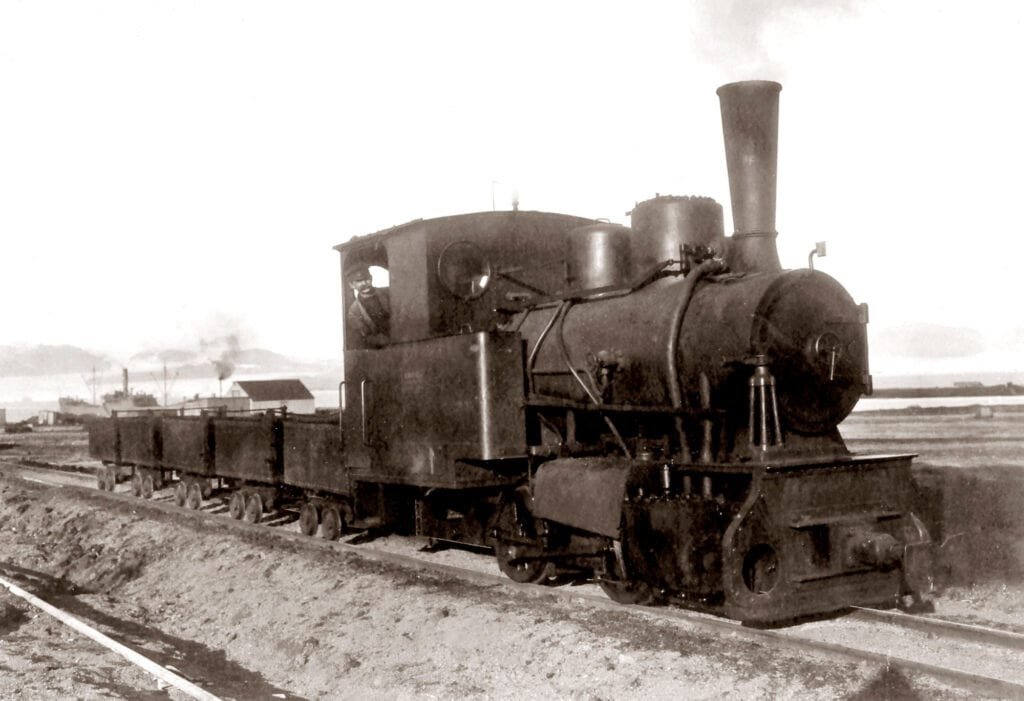
1917
Peter Brandal and his coal mining company, Kings Bay Kull Compani AS, found Ny-Ålesund.
1929
The first mining period ends, after years of poor profits. Ny-Ålesund has also been the starting point for several expeditions trying to reach the North Pole.
1933
The Norwegian state takes over the company and the property. There are attempts to make Ny-Ålesund a tourist destination, and it is used as a fishing port.
1941 and 1945
Mining resumes for a few months in 1941, and again from 1945.
1962
After a series of accidents, 21 miners are killed and the mine closes for good. The government has to step down, opening the way for Norway’s first conservative government after 1945.
1967
The Kongsfjord Telemetry Station opens, one of four stations in the European Space Tracking Network. The move from mining town to research station begins.
Today
Kings Bay still owns and runs Ny-Ålesund, and provides infrastructure for an unusually diverse international research community.
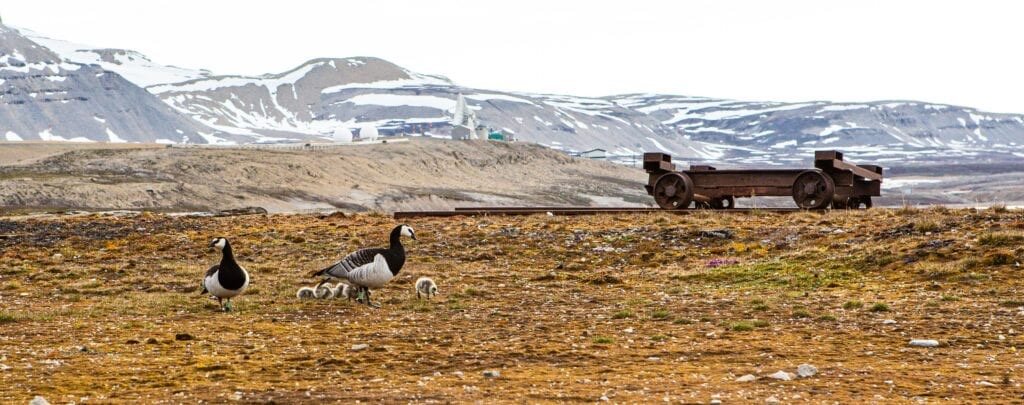
Ny-Ålesund has Svalbard’s largest collection of automatically protected heritage from before 1946, because unlike Barentsburg, Grumant and Longyearbyen it was not destroyed in the Second World War. It includes 29 buildings and several other objects.
P. K. Reymert’s booklet on the history (PDF)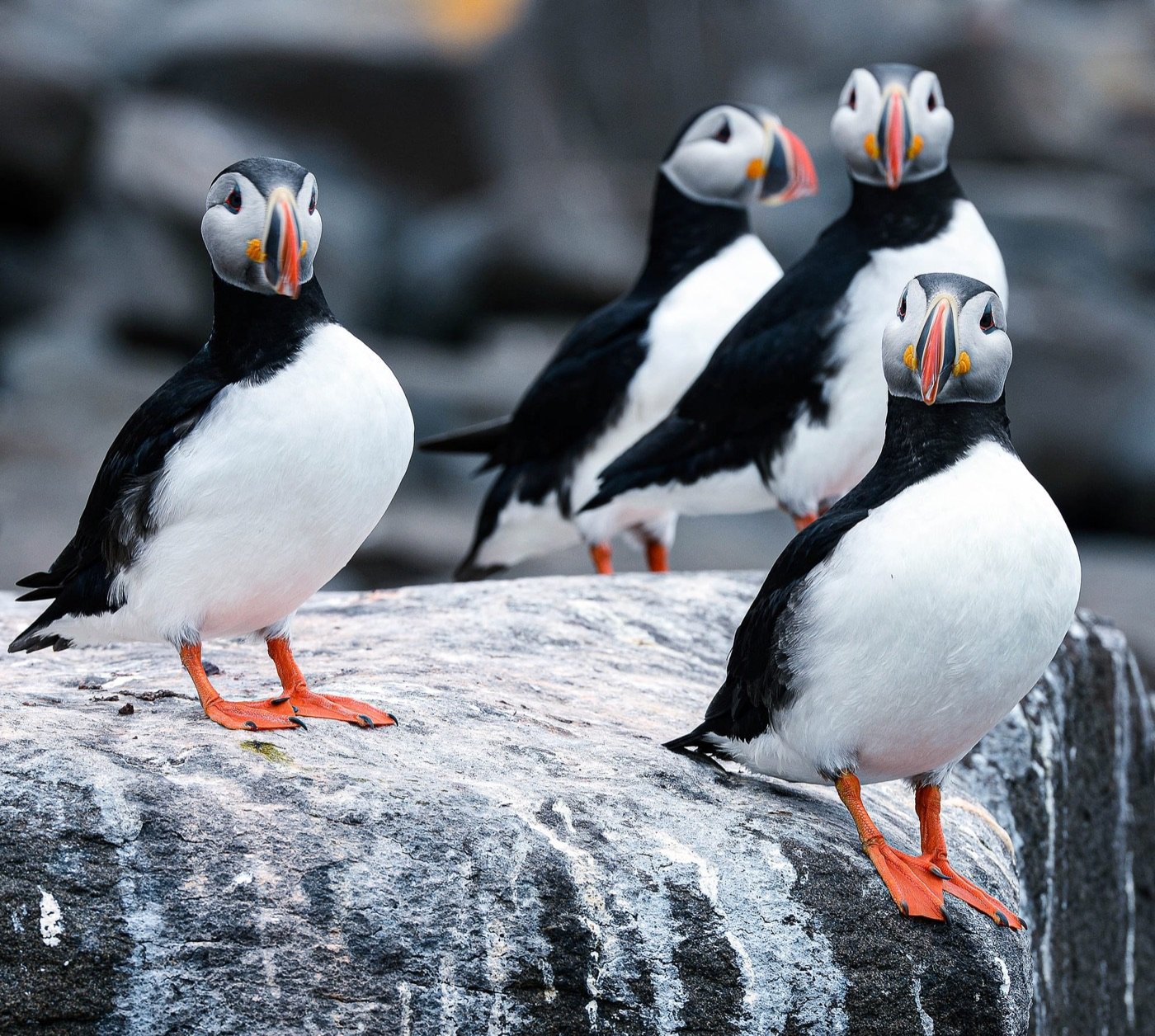
Tundra and river plains surround the town, and glaciers flow into Kongsfjorden. Most of Svalbard’s bird species breed on the islands and cliffs here. Reindeer and foxes visit town, seals are common, and walrus and beluga sometimes appear.
Glaciers are within walking distance, the air is clean, and the sea is right there, so almost any Arctic topic can be studied nearby.
The station brings together people from many nations, cultures and professions. The Code of Conduct applies to everyone who lives, works or visits here.
Download the Code of ConductEveryone working under the station works to keep their footprint as small as possible, since local pollution can affect sensitive measurements. Driving near Gruvebadet and on the road to Tvillingvatnet is logged so the research community can see it.
Vehicle log-book 2026