Research at
79° north
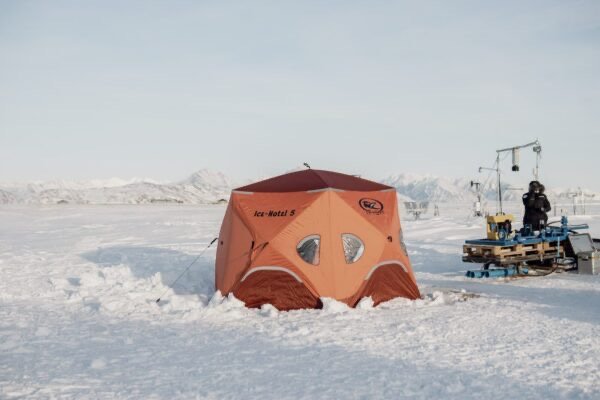
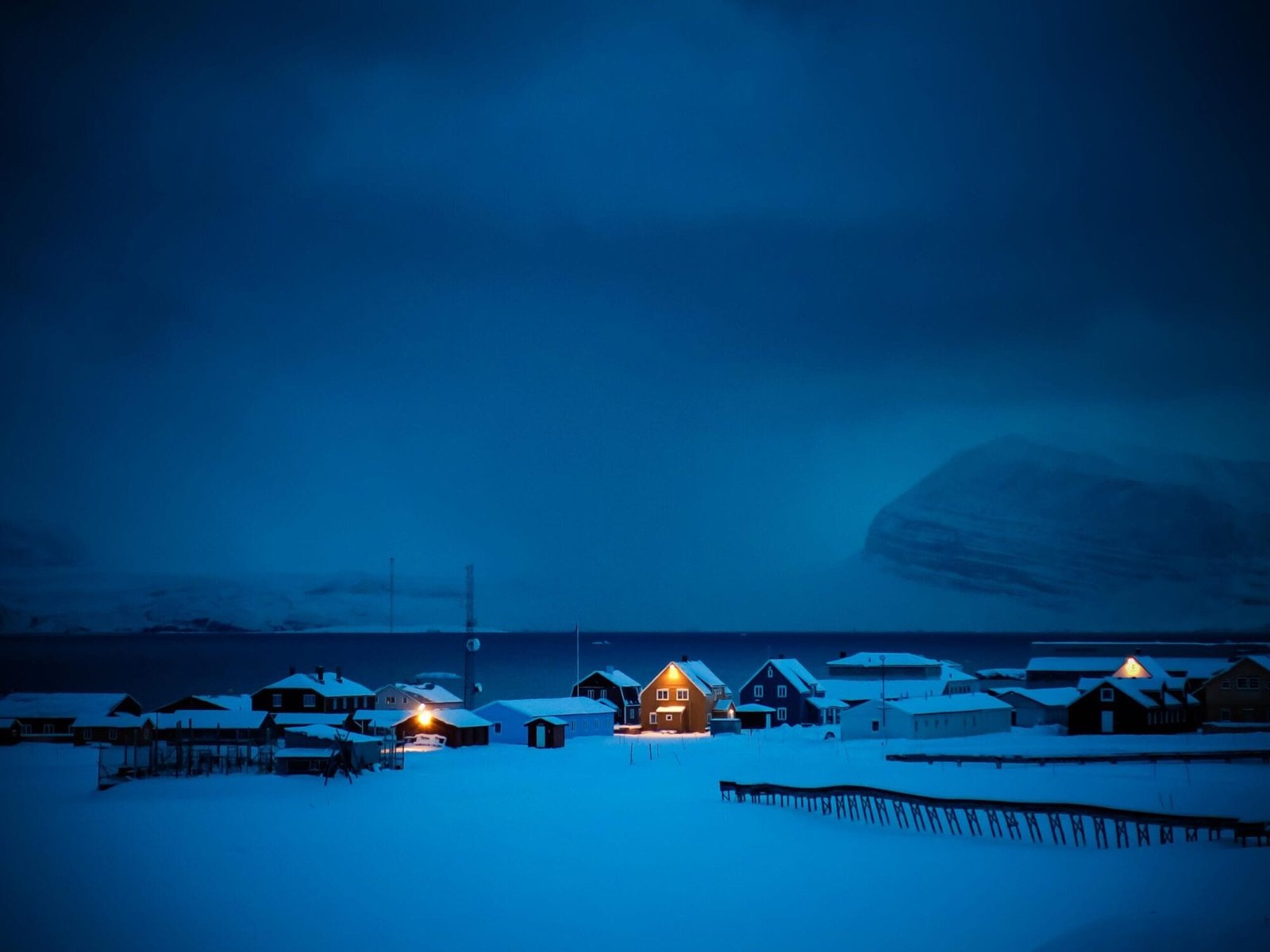
Ny-Ålesund is the world’s northernmost year-round research station. We host research projects and long-term observation series that help monitor, understand and explain Arctic systems and global change.
- Location
- 79° N, Svalbard
- Publications 2025
- 118 peer reviewed
- NySMAC
- 18 member institutions
Coming to work in Ny-Ålesund
While remote, the station is easy to reach. Planning a stay comes down to four steps, and bookings go through one portal.
Read the full guide- 1Find your host institutionTen institutions assess and host projects, depending on your affiliation. If yours is not listed, the Norwegian Polar Institute may host you.
- 2Register and book in RiSRegister the project, the fieldwork period and the team in Research in Svalbard. Flights, rooms, labs and equipment are booked there too.
- 3Apply for permitsMost fieldwork needs permission from the Governor of Svalbard. There are four fixed application deadlines a year.
- 4Arrive and get your in-briefYour host meets you on arrival. The Kings Bay safety course runs the day after you land.
The year at 79° north
Fieldwork here follows the light, the Governor’s application deadlines and the nesting season. Plan your stay around them.
15 Jan
Fieldwork March to May
1 Mar
Fieldwork June to August
1 Jul
Fieldwork September to November
1 Oct
Fieldwork December to February
- Polar night
- Day and night
- Never really dark
- Midnight sun
January
- Polar night until the end of January
- Governor deadline 15 January, for fieldwork March to May
February
- Day and night
March
- Governor deadline 1 March, for fieldwork June to August
April
- Never really dark from the beginning of April
- Midnight sun from mid-April
- High season begins
May
- Bird sanctuaries closed to all traffic from 15 May
June
- Midnight sun
July
- Governor deadline 1 July, for fieldwork September to November
August
- Bird sanctuaries reopen after 15 August
- Last month of midnight sun
September
- Nights darken again from mid-September
October
- Governor deadline 1 October, for fieldwork December to February
- Low season begins
November
- Polar night from mid-November
December
- Polar night
- Polar night
- Day and night
- Never really dark
- Midnight sun
Four flagship programmes
More than 20 institutions run long-term research and monitoring here. Most of it is organised in four flagships, open to every scientist working in the area.

Atmosphere
Glaciology

Kongsfjorden system

Terrestrial ecosystems
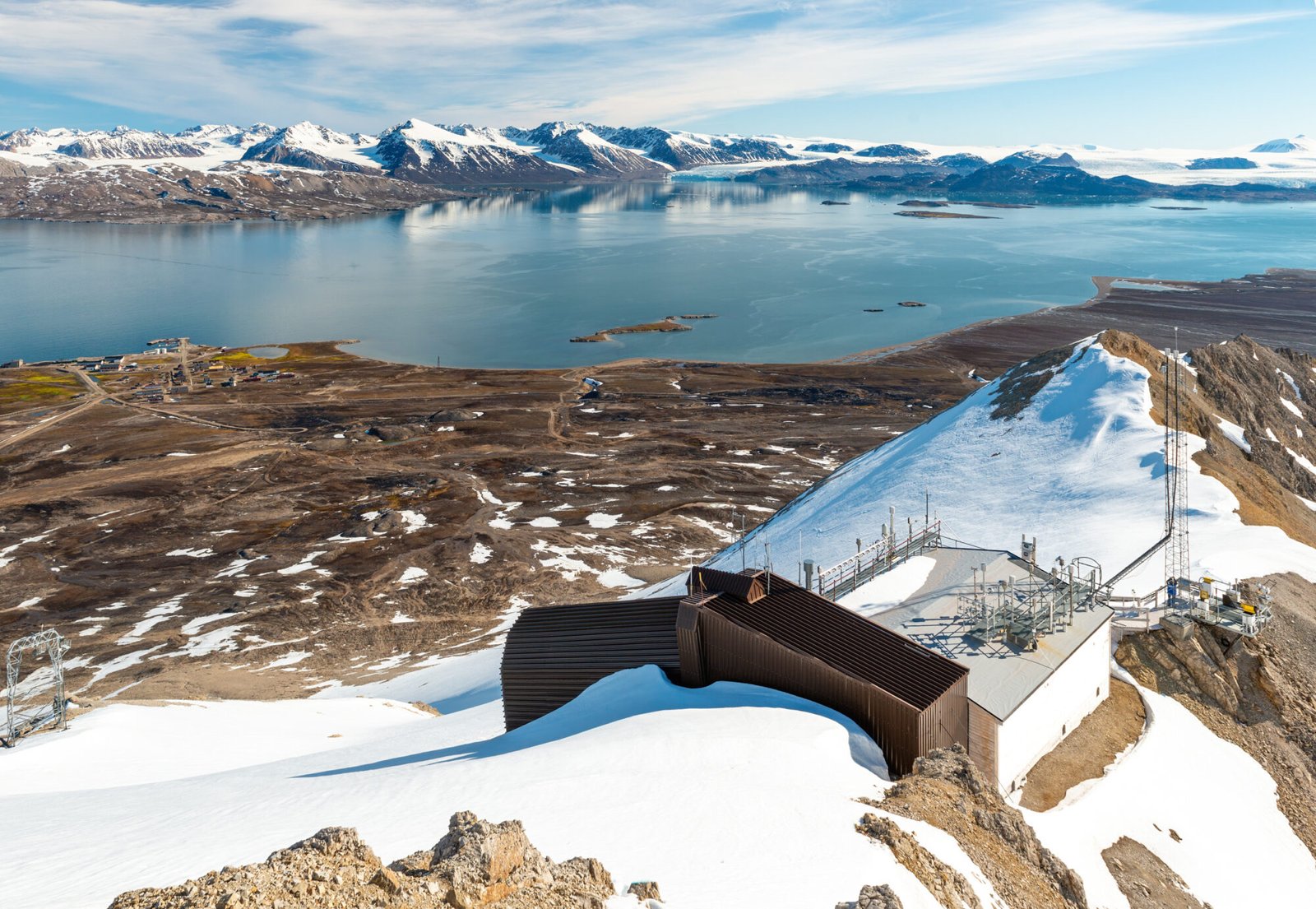
Labs, a boat and a mountain observatory
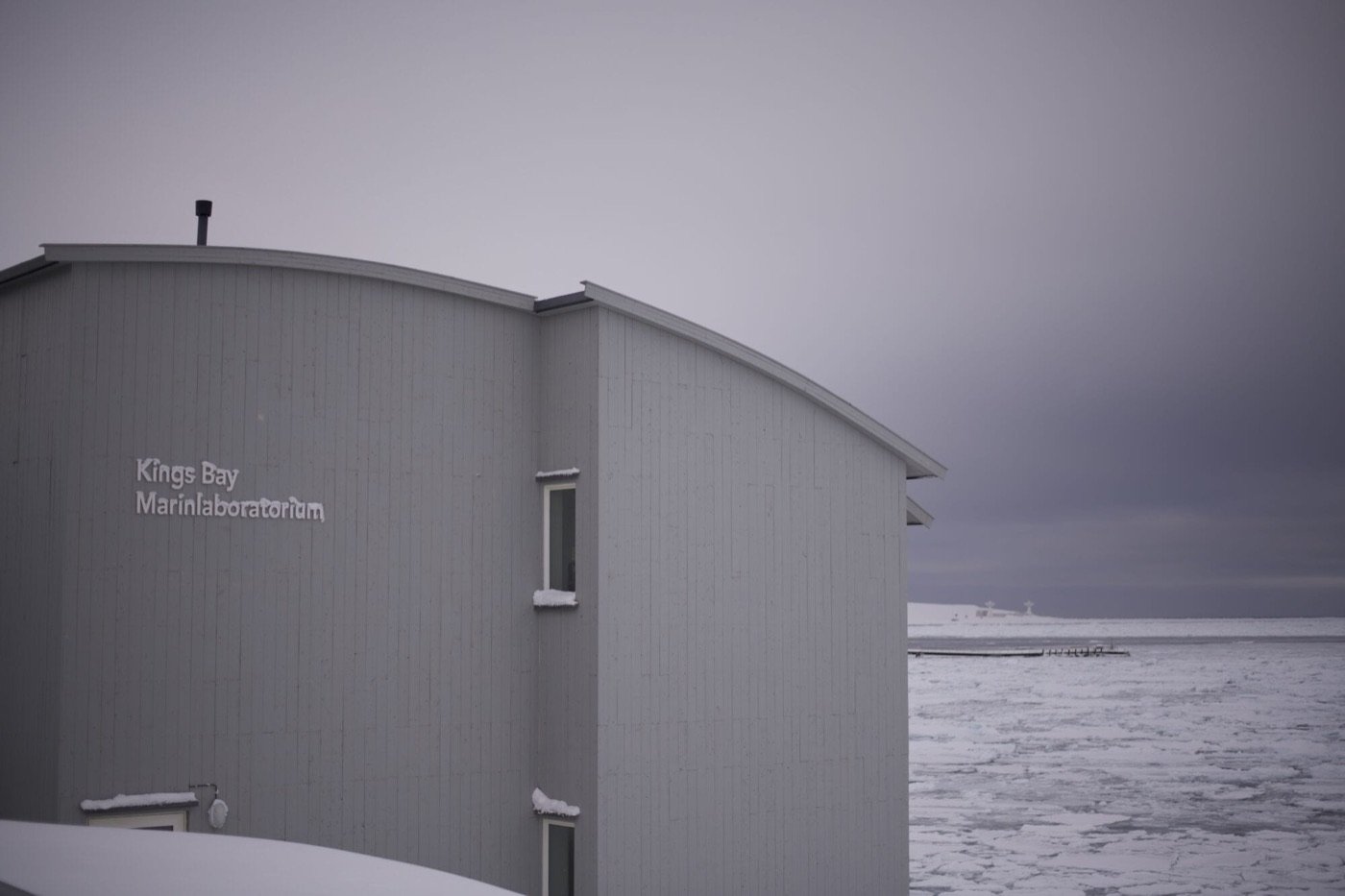
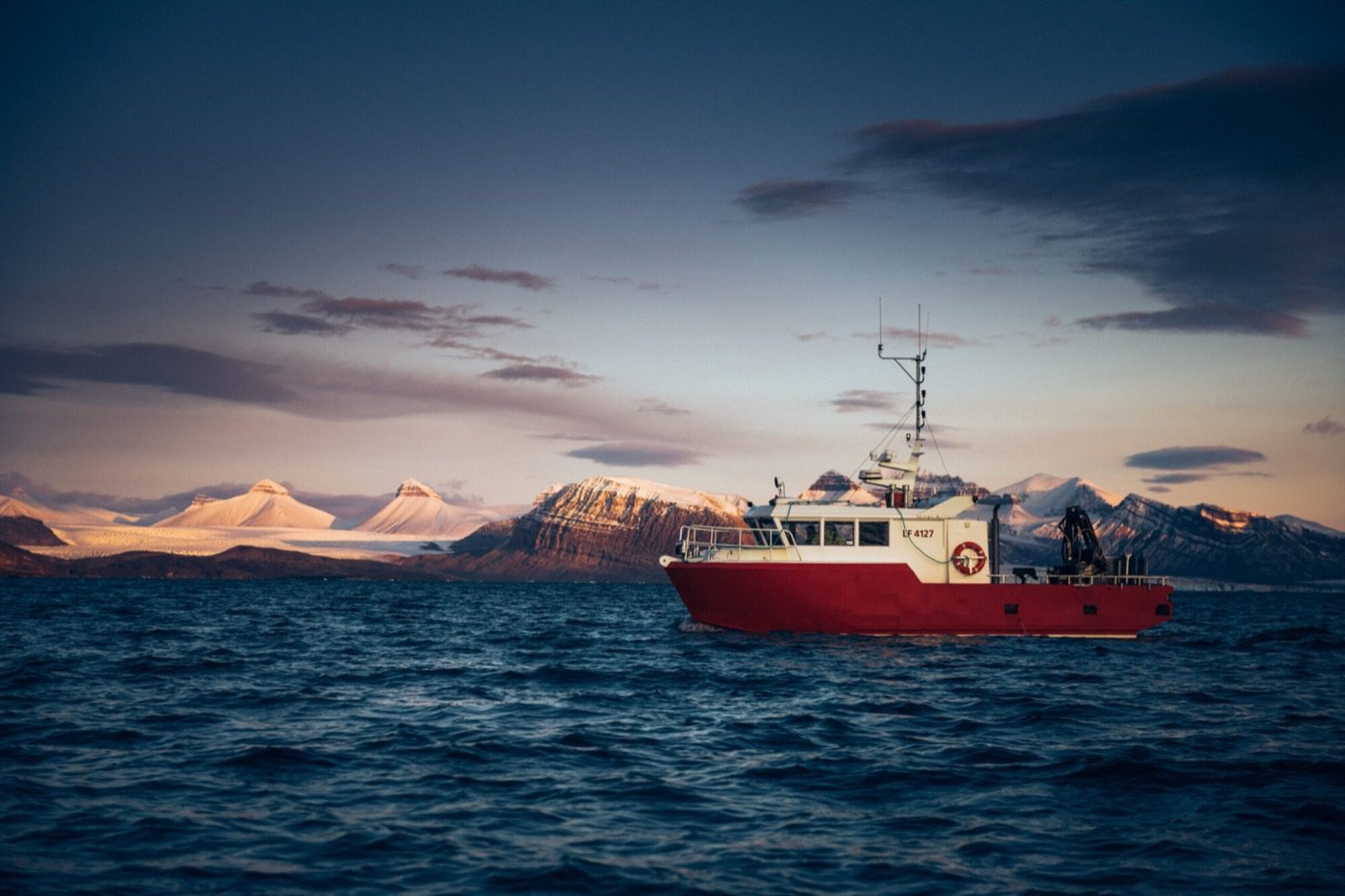
The Zeppelin Observatory sits at 472 metres, above the local inversion layer. Down in town there are marine and terrestrial labs, an atmosphere lab and a work boat for Kongsfjorden.
Wi-Fi and Bluetooth are not allowed in Ny-Ålesund
Frequencies from 2 to 32 GHz are protected by law within 20 km of the station, so sensitive instruments can pick up very weak signals. Exceptions can be made for scientific or safety purposes.